Prevent Ingrown Hairs After Waxing: NYC Aftercare Tips
Ingrown hairs are a common adverse effect of waxing, often turning what should be a smooth, confident result into a source of localized frustration and discomfort. This article presents practical aftercare protocols to reduce their incidence by explaining the underlying biological causes, clarifying the appropriate timing for exfoliation, listing essential soothing agents, and identifying exactly when to seek professional care. Consistent use of these measures preserves the skin’s natural barrier and ensures that your post-wax glow isn't interrupted by irritation. The text also explains how Meena Threading & Waxing Center provides professional services in New York City to support optimal outcomes for all skin types.
What Causes Ingrown Hairs After Waxing in NYC?
Ingrown hairs occur when hair re-enters or becomes trapped beneath the epidermis, producing localized irritation and papular lesions that can sometimes become painful. In a city like NYC, environmental factors like humidity and urban pollutants can further congest the skin, making proper technique even more critical for long-term comfort. Contributing factors include altered hair-growth direction after removal, follicular occlusion from accumulated desquamated keratin, and suboptimal waxing technique such as failure to stabilise the skin during extraction. Recognising these contributors enables targeted prevention through high-quality NYC waxing treatments designed to minimize skin trauma while maximizing hair removal efficiency.
the Best Aftercare Practices to Prevent Ingrown Hairs After Waxing?
Following a structured aftercare regimen reduces the likelihood of ingrown hairs by maintaining the skin's elasticity and ensuring the hair follicle remains clear as new growth begins. The following measures are recommended for post‑wax management to bridge the gap between your salon visit and long-term skin health:
- Immediate Aftercare Steps: After waxing, apply a soothing lotion or gel to calm the skin and reduce inflammation. This helps to close the pores and protect the sensitized area from bacteria.
- Cleansing and Moisturizing: Keep the area clean and moisturised to prevent dryness and irritation that can exacerbate ingrown hairs. Hydrated skin allows hairs to break through the surface more easily.
- Exfoliation Techniques: Regular, gentle exfoliation removes dead skin cells and keeps follicles clear, lowering the chance of hair becoming trapped. This is the cornerstone of any effective post-wax routine.
Consistent implementation of these measures improves skin condition and reduces the risk of post‑procedural complications like redness or persistent bumps. By taking a proactive approach to your skin's recovery, you ensure that the results of your waxing session stay smooth and flawless for weeks to come, allowing you to enjoy the full benefits of the treatment.
How and When Should You Exfoliate Post-Waxing?
Start exfoliation about 48 hours after waxing to allow the epidermis to begin recovering from the initial follicle stimulation without causing unnecessary irritation. Use gentle mechanical tools like soft brushes and mild scrubs, or chemical exfoliants such as low‑concentration AHAs/BHAs specifically chosen for your skin type to prevent micro-tears. A frequency of two to three times per week is generally appropriate, though this should be adjusted based on personal tolerance and the specific sensitivity of the treated area. Proper exfoliation reduces follicular occlusion and helps maintain a smooth skin surface by guiding new hair through the surface effortlessly.
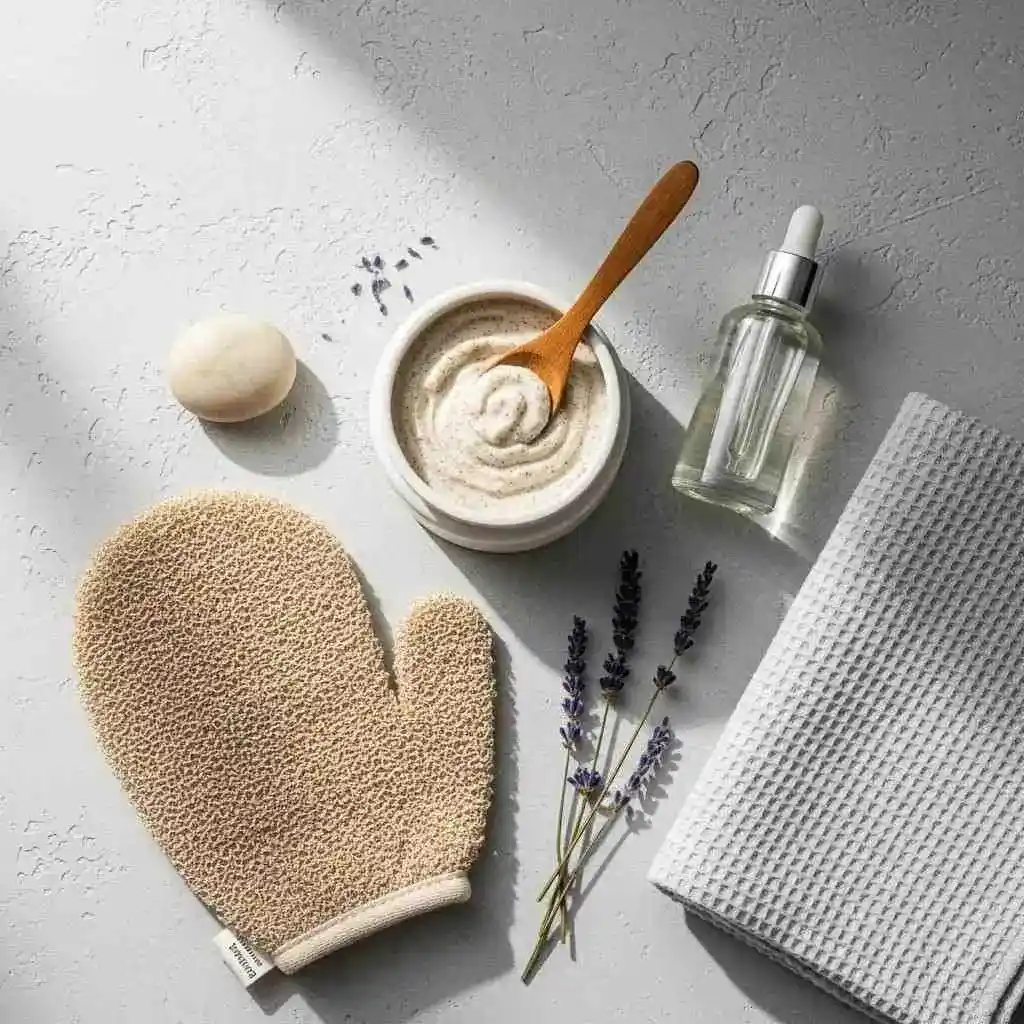
Which Soothing Products and Ingredients Are Recommended?
Topical agents can support post‑wax recovery and limit irritation by reinforcing the skin's moisture barrier and providing a protective layer against external stressors. Recommended categories for aftercare routines include ingredients that target both redness and microbial balance to prevent secondary complications. Choosing the right product ensures that your skin heals quickly and remains soft to the touch.
- Cooling Gels: Provide immediate relief from redness and discomfort, often utilizing ingredients like aloe vera or cucumber extract to lower skin temperature.
- Fragrance-Free Moisturizers: Choose gentle, fragrance‑free formulas to minimise irritation, as synthetic scents can often cause stinging or rashes on freshly waxed skin.
- Antioxidant Serums: Antioxidant-containing products may help soothe and support skin repair by fighting off environmental damage and promoting cellular turnover.
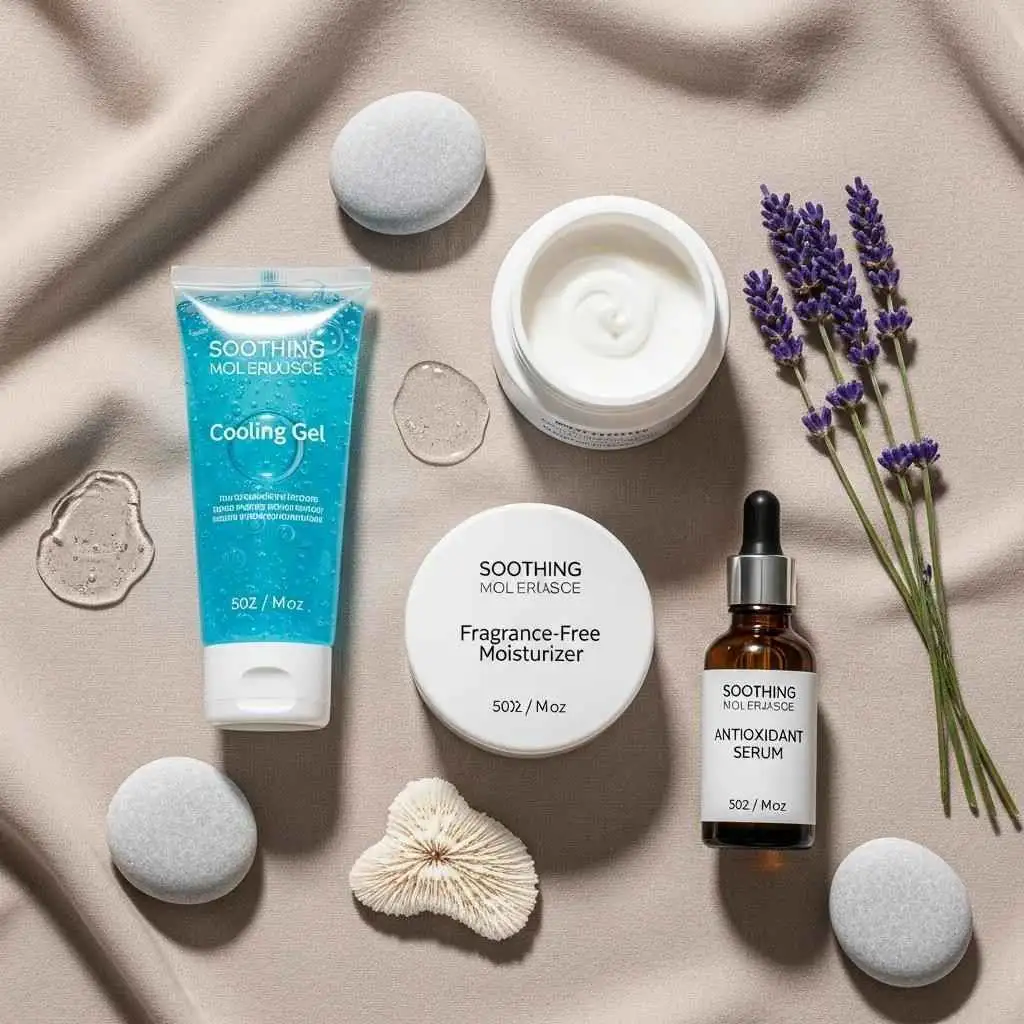
Including these product classes in a documented aftercare plan supports ongoing skin health and lowers the risk of follicular complications like folliculitis or painful bumps. Furthermore, published research underscores the importance of selecting dermatologically tested aftercare lotions to preserve skin safety following waxing procedures, ensuring that your skin remains calm and hydrated throughout the entire growth cycle.
Evaluating Post-Waxing Aftercare Lotions for Skin Safety
The study formulated a lotion containing Gymnema sylvestre leaf extract (GSLE) and evaluated its stability, safety and usability. Stability assessments included centrifugation testing and heat–cool cycling. Following application of the Lycon and 5% GSLE lotions, a skin patch test evaluated erythema in accordance with International Contact Dermatitis Research Group (ICDRG) guidelines. User satisfaction was measured on a 10‑point scale. Both the vehicle and the 5% GSLE formulation maintained physical and chemical stability, and no adverse skin reactions were observed in any tested group (vehicle, Lycon lotion, 5% GSLE). Levels of efficacy, functionality and usability were assessed as part of the study.
The Preparation and Sensory Evaluation of Post-waxing Aftercare Lotion, 2023
When Should You Seek Professional Ingrown Hair Treatment in Manhattan?
Persistent erythema (redness), oedema (swelling), or clinical signs of infection after waxing warrant professional evaluation to prevent potential scarring or deeper dermal issues. Recurrent ingrown hairs may indicate that your current aftercare products aren't suited to your hair texture or that a different waxing technique is required for your specific skin type. A licensed clinician or experienced aesthetician can treat active lesions and implement preventive strategies that are far more effective than at-home "quick fixes."
- Persistent Redness or Swelling: Irritation that does not subside within a few days despite the use of soothing topical treatments.
- Signs of Infection: The presence of pus, increasing pain, localized warmth, or spreading redness that indicates a bacterial issue.
- Recurring Ingrown Hairs: New ingrown hairs that appear in the same locations despite consistent aftercare and regular exfoliation.
Timely professional management reduces complication risk and helps preserve skin integrity over the long term. If you find yourself struggling with the same spots repeatedly, a professional consultation can provide the tailored solution needed to break the cycle of irritation and restore your skin’s health.
How Meena Threading Supports Waxing and Aftercare
Meena Threading & Waxing Center offers licensed waxing services designed to minimise ingrown hairs through a combination of precision and high-grade materials. Technicians receive formal training in contemporary waxing protocols to remove hair while protecting the delicate skin barrier from unnecessary trauma. The provider issues individualised aftercare recommendations based on skin type to optimise outcomes, ensuring that every visitor leaves with a clear plan for maintaining their results at home.
How to Book Trusted Waxing Services in Midtown Manhattan?
Booking an appointment with Meena Threading & Waxing Center is available online for convenience, fitting perfectly into the busy, high-energy schedules of New Yorkers. When choosing a waxing provider, evaluate the following to ensure competent care: look for transparency in pricing, cleanliness standards, and the depth of knowledge shown by the staff. Following these selection criteria increases the likelihood of receiving competent care that prioritises skin health and professional integrity above all else.
- Research Salons: Read reviews and check ratings to find reputable salons in Midtown Manhattan that specialize in your specific skin concerns.
- Check Qualifications and Rates: Verify that technicians are certified and check the waxing price list to ensure there are no hidden costs.
- Post-Wax Care Tips: Request specific aftercare guidance and use our online booking portal so you are prepared for the best possible results.
Following these selection criteria increases the likelihood of receiving competent care that prioritises skin health. By choosing a reputable provider in Midtown Manhattan, you ensure that your beauty routine remains a source of pampering rather than a cause for skin-related concern.
the Benefits of Professional Waxing for Ingrown Hair Prevention?
Professional waxing offers procedural advantages that reduce ingrown hair risk by ensuring the hair is pulled from the root without breakage. This includes a formal skin assessment to tailor technique, appropriate pre‑wax preparation (including exfoliation when indicated), and supervised post‑wax care to limit immediate irritation. Choosing expert body waxing services support consistent hair removal and a lower incidence of follicular complications, ultimately leading to finer and softer hair regrowth over time.
Frequently Asked Questions
What are the signs that I might have an ingrown hair?
Typical signs include perifollicular papules, localized erythema and tenderness. Purulent discharge or hyperpigmented macules may indicate a retained hair with secondary infection. Persistent pain or progressive swelling should prompt clinical assessment.
Can I prevent ingrown hairs by changing my waxing technique?
Yes. Keeping the skin taut during removal reduces hair breakage and supports full extraction. Selecting a wax matched to hair and skin characteristics also reduces adverse outcomes. Consult a certified technician for waxing technique optimisation tailored to you.
How long does it take for ingrown hairs to heal?
Healing time varies by severity: uncomplicated lesions often resolve within several days, while inflamed or infected lesions may take one to two weeks or longer. Avoid manipulating lesions to prevent secondary infection; use gentle exfoliation and soothing topical measures to support recovery. Seek professional care if signs worsen.
Are there any home remedies for treating ingrown hairs?
Conservative measures include warm compresses to soften the follicle and facilitate extrusion, and topical agents such as salicylic acid or tea tree oil to reduce inflammation and microbial colonisation. If symptoms persist or deteriorate, obtain professional medical evaluation.
How often should I wax to minimize ingrown hairs?
Standard guidance is to wax every four to six weeks, adjusted for individual hair growth rates. To plan your routine, you can check our service pricing for regular maintenance. That interval allows sufficient regrowth for effective removal and helps minimise irritation. Regular treatments may produce finer regrowth over time; adjust scheduling based on skin response.
What should I do if I have recurring ingrown hairs?
Recurring ingrown hairs require reassessment of technique and aftercare. Consider alternative methods or products better suited to your skin type, and maintain routine exfoliation and moisturisation to keep follicles clear. If recurrence continues, consult a dermatologist or skincare professional for tailored management.
Conclusion
Preventing ingrown hairs after waxing is achievable with evidence‑based aftercare: timely, gentle exfoliation and the consistent application of dermatologically suitable soothing products. Understanding the underlying causes and applying these measures preserves skin health and reduces the general discomfort often associated with hair removal. For personalised guidance and professional waxing services that prioritize your comfort and skin health, it is easy to book an appointment with Meena Threading & Waxing Center today and experience a new standard of smooth skin.