Sensitive Skin Best Wax Types & Techniques That Reduce Irritation
If your skin tends to flare up, waxing can feel intimidating. The good news: the right wax and technique make a big difference. This guide walks you through gentle wax options and practical techniques to minimize irritation, explains why skin gets sensitive, and shows how waxing affects delicate skin. We’ll also explain why Meena Threading and Waxing Center in NYC is a reliable choice for clients with sensitive skin.
What Makes Skin Sensitive and How Does Waxing Affect It?
Sensitive skin reacts more strongly to environmental triggers and beauty treatments. That extra sensitivity can show up as redness, itching, or discomfort — especially during hair removal like body waxing. Knowing what causes sensitivity helps you and your esthetician pick the gentlest, most effective approach.
Understanding Sensitive Skin: Causes and Common Reactions
Sensitivity can come from genetics, outside irritants, or chronic skin conditions. Typical reactions include redness, stinging, and dry patches, which harsh products or aggressive techniques can make worse. People with sensitive skin usually need softer products and a calmer approach to waxing.
Why Waxing Can Cause Irritation on Sensitive Skin
Waxing can irritate sensitive skin because the wax sticks to hair — and sometimes to the skin — then
pulls hair out from the root. If the wax is too hot, left on too long, or removed incorrectly, that
pulling can traumatize delicate skin. Choosing the right wax and a careful technique helps reduce
that risk.
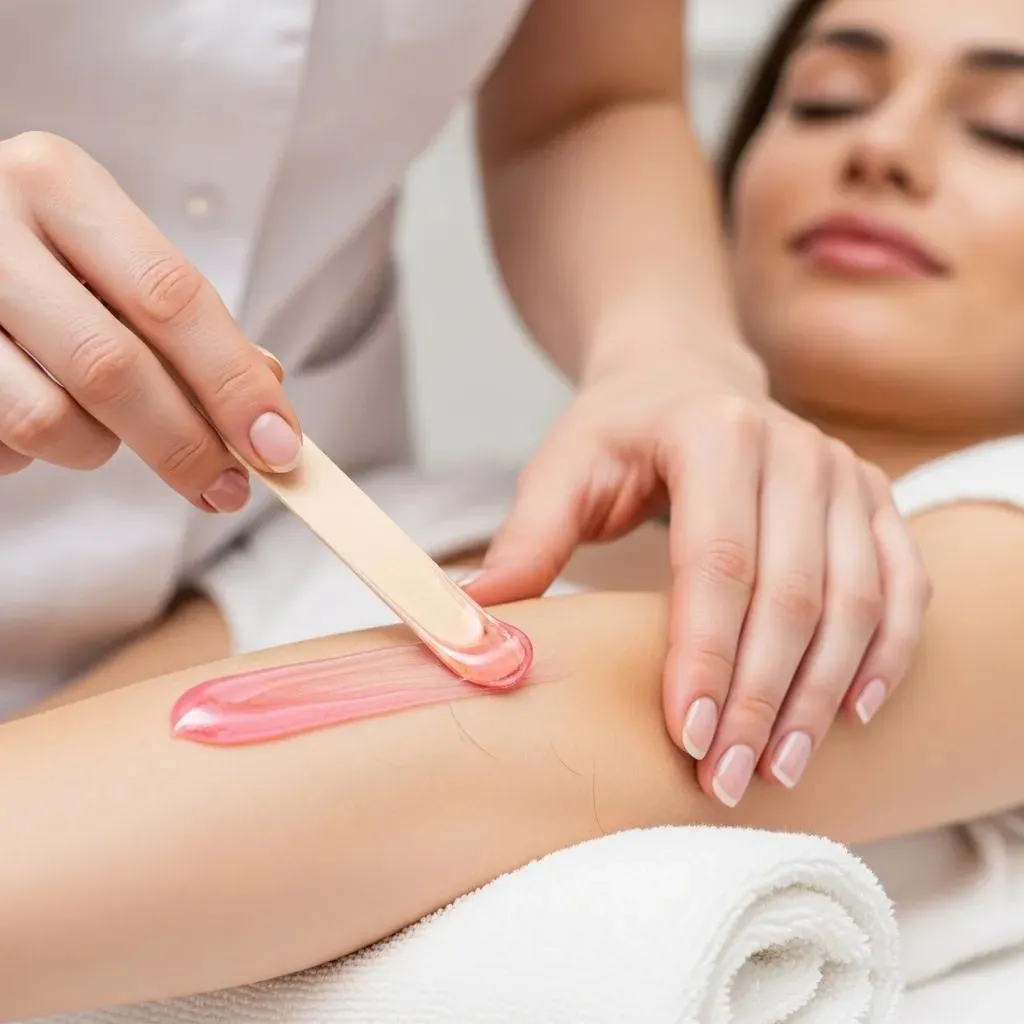
Which Wax Types Are Best for Sensitive Skin?
The kind of wax matters. Some formulas and methods are designed to be gentler, while others are better suited for larger, less delicate areas. Knowing the differences helps you pick the safest option for your skin.
Why Hard Wax Is the Gentle Choice for Sensitive Areas
Hard wax is a top pick for sensitive zones because it clings more to the hair than to the skin. That means less tug on the surface, shorter removal times, and often less discomfort. Hard wax is also warmed to a lower temperature than some soft waxes, which further cuts down on irritation. services
Is Sugaring a Safer Alternative for Sensitive Skin?
Sugaring is another gentle option. It uses a simple paste of sugar, lemon and water and tends to be less irritating than some commercial waxes. Because of the way it removes hair, sugaring can also help lower the chance of ingrown hairs and irritation for many people.
What Waxing Techniques Help Minimize Irritation?
Beyond wax choice, technique and preparation are key. A skilled esthetician and the right pre- and post-care steps make a huge difference for sensitive skin.
Essential Pre-Wax Care Steps for Sensitive Skin
Getting the skin ready reduces the chance of a reaction. Important pre-wax steps include:
- Cleansing: Clean the area gently to remove oils and sweat so the wax can grip the hair properly.
- Exfoliation: Light exfoliation a day or two before helps prevent ingrowns by removing dead skin cells.
- Moisturizing: Keep skin hydrated in the days leading up to your appointment, but skip heavy lotions right before waxing so the wax can adhere.
During Waxing: Hygiene and Application Practices That Reduce Discomfort
Careful application and strict hygiene lessen pain and risk. Best practices include:
- Temperature Checks: Test wax on a small patch to avoid burns.
- Gentle Application: Apply in the direction of hair growth and remove swiftly against it to limit pulling.
- Single Use Tools: Using disposable spatulas and strips prevents cross-contamination and keeps the service safe.
How to Care for Sensitive Skin After Waxing?
Aftercare can calm skin and prevent complications. Simple soothing measures go a long way to speed recovery and keep irritation at bay.
Post-Wax Soothing Treatments and Products
After waxing, try gentle, cooling products to reduce redness. We recommend: services
- Aloe Vera Gel: Cooling and hydrating, it helps calm inflamed skin.
- Cooling Lotions: Formulas with chamomile or calendula soothe and comfort sensitive skin.
Avoiding Common Post-Wax Irritants and Complications
Protecting the area after waxing helps prevent flare-ups. Key tips include:
- Avoid Heat and Sweat: Skip hot baths, saunas, and intense workouts for 24 hours to lower irritation risk.
- Wear Loose Clothing: Soft, loose garments reduce friction on freshly waxed skin.

Why Choose Meena Threading and Waxing Center for Sensitive Skin Waxing in NYC?
Picking the right salon matters when your skin is sensitive. At Meena Threading and Waxing Center we focus on comfort, safety, and predictable results for delicate skin types.
Our Expertise with Premium, Irritation-Minimizing Waxes
We use premium waxes chosen to reduce irritation and trained estheticians who adjust technique to your skin. That combination helps deliver smoother results with less redness and discomfort.
Commitment to Hygiene and the No Double Dip Policy
Hygiene is non-negotiable. Our strict protocols — including a no double-dip policy and single-use applicators — protect your skin and ensure every service is clean, safe, and professional.
Frequently Asked Questions
Can I wax if I have eczema or psoriasis?
Waxing with eczema or psoriasis can be risky because those conditions increase sensitivity. Talk with your dermatologist before waxing. If you decide to wax, tell your esthetician about your condition so they can take extra precautions or suggest gentler alternatives.
How often should I wax sensitive skin?
Most people with sensitive skin wait 4 to 6 weeks between sessions so hair has enough length for clean removal. If your skin reacts more than usual, give it extra time to recover. Listen to your skin and consult a pro for a schedule tailored to you.
What should I do if I experience a reaction after waxing?
If you get redness, swelling, or itching, soothe the area with a cool compress or aloe vera. Over-the-counter hydrocortisone can reduce inflammation. If symptoms don’t improve or get worse, see a healthcare professional. Avoid heat and harsh products until your skin heals.
Is it safe to wax during pregnancy?
Waxing is generally safe during pregnancy, but hormonal changes can make skin more reactive. Check with your healthcare provider first. If you proceed, book a professional who understands sensitive skin and tell your esthetician you’re pregnant so they can adapt their approach.
What are the benefits of professional waxing over at-home waxing?
Professionals use quality products and proven techniques that reduce irritation — especially important for sensitive skin. An experienced esthetician can assess your skin, choose the right wax, and maintain strict hygiene, which lowers the risk of complications compared with DIY waxing.
Can I use numbing cream before waxing sensitive areas?
Numbing cream can help with discomfort, but pick a product made for that purpose and follow instructions. Always do a patch test to check for reactions and tell your esthetician if you’ve applied it, since it can change how they work. When in doubt, consult a professional first.
What Is the Best Wax for Sensitive Skin?
Hard wax is usually the best choice for sensitive skin because it attaches mostly to the hair and not the skin, which lowers irritation. Sugaring is also a strong alternative thanks to its natural ingredients and gentle method.
How Can I Prevent Irritation When Waxing Sensitive Skin?
To reduce irritation when waxing, follow these practices:
- Choose the Right Wax: Favor hard wax or sugaring methods for delicate areas.
- Follow Pre-Wax Care: Clean and lightly exfoliate beforehand, and avoid heavy moisturizers right before your appointment.
- Practice Proper Aftercare: Use soothing products and avoid hot or abrasive activities after waxing.
| Wax Type | Characteristics | Best For |
|---|---|---|
| Hard Wax | Adheres to hair, not skin | Sensitive areas |
| Soft Wax | Adheres to skin and hair | Larger areas |
| Sugaring | Natural ingredients, gentle | Sensitive skin |
This table highlights how different waxes work so you can pick the best option for your needs.
In short, understanding how your skin reacts and choosing the right products and techniques can make waxing comfortable and effective. If you’re in NYC, Meena Threading and Waxing Center focuses on gentle, professional care to help you get smooth skin without unnecessary irritation.
Conclusion
When sensitive skin is a concern, the right approach matters. Choosing gentle options like hard wax or sugaring, preparing the skin properly, and following thoughtful aftercare all reduce irritation and improve results. For those seeking expert care, Meena Threading and Waxing Center in NYC provides specialized services and experienced professionals to help you reach smooth, comfortable results.