Acne-Safe Waxing in NYC: How to Get Waxed Without Breaking Out
For individuals with acne-prone skin, hair removal can pose significant challenges due to the heightened risk of irritation, inflammation, and post-treatment breakouts. Traditional waxing methods often exacerbate these skin concerns, making it crucial to explore acne-safe hair removal techniques that prioritize skin health while delivering smooth, effective results. This comprehensive guide delves deep into the best practices for threading and waxing in New York City, highlighting expert-approved methods, suitable products, preventative strategies, and aftercare essentials specifically designed for sensitive, acne-prone skin.
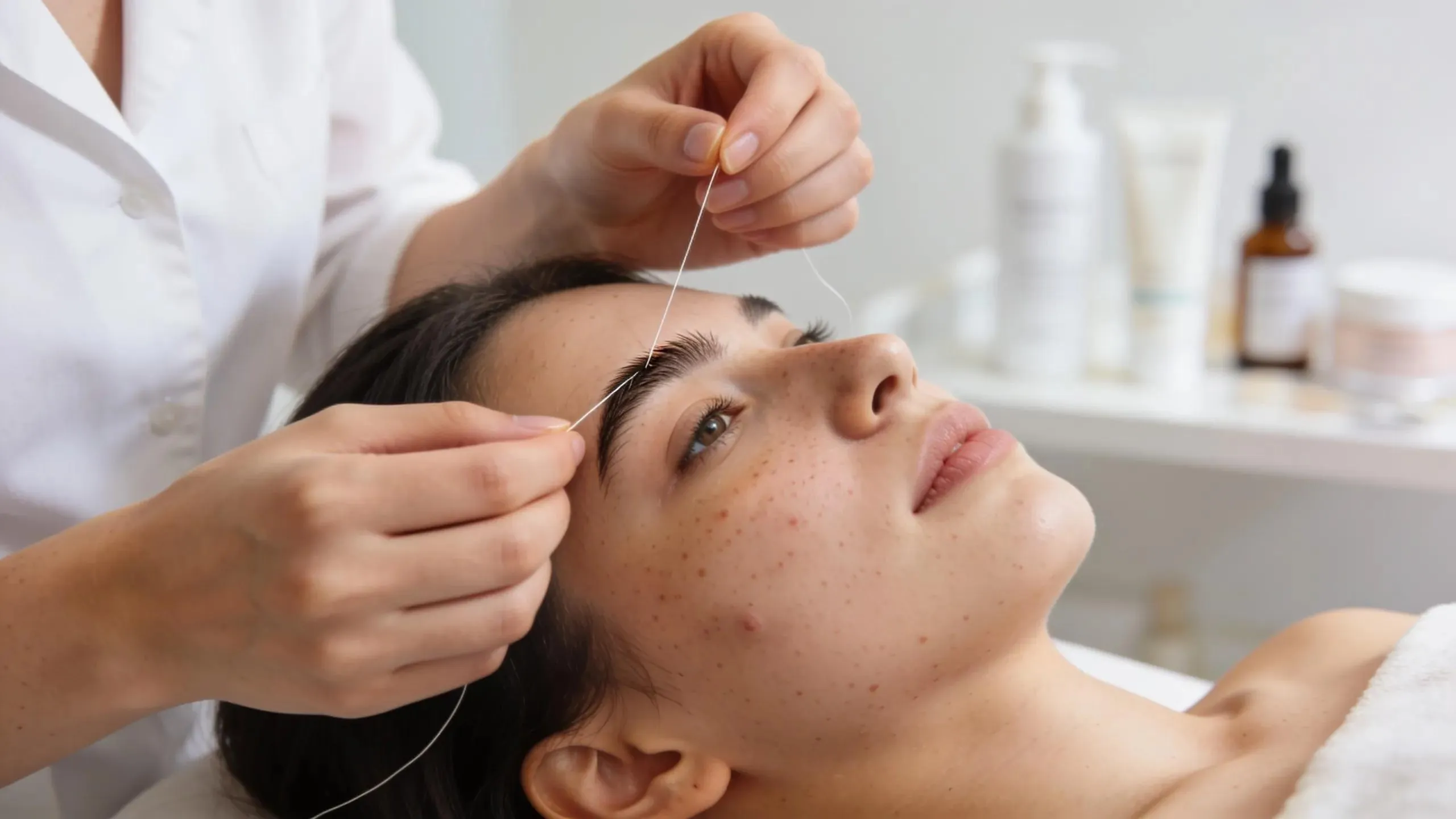
Understanding the Impact of Hair Removal on Acne-Prone Skin
Acne-prone skin is characterized by clogged pores, excess sebum production, and sensitivity to inflammation. Hair removal processes, particularly waxing, can aggravate these conditions by causing micro-tears, follicular damage, and disruption of the skin’s natural barrier. Consequently, improper hair removal can lead to increased redness, irritation, infection, and prolonged healing times. Knowledge of skin biology and the effects of different hair removal methods is fundamental to preventing exacerbation of acne and maintaining skin integrity.
Choosing the Right Method: Threading vs. Waxing
Among hair removal options, threading and waxing remain popular, each with distinct implications for acne-prone skin.
Threading
Threading is a technique that uses a twisted cotton thread to trap and pull out hairs at the follicle level. It boasts several advantages for acne-prone clients:
- Minimal Skin Contact: The thread targets hairs precisely, reducing contact with surrounding skin and lowering irritation risk.
- Gentle on Sensitive Areas: Ideal for delicate facial zones with active acne or sensitive skin.
- Reduced Risk of Folliculitis: Less invasive than waxing, decreasing chances of inflamed hair follicles.
Waxing
Waxing involves applying a resinous substance to the skin to adhere to hair, then quickly removing it and pulling hairs from follicles. Different wax types influence its suitability for sensitive skin:
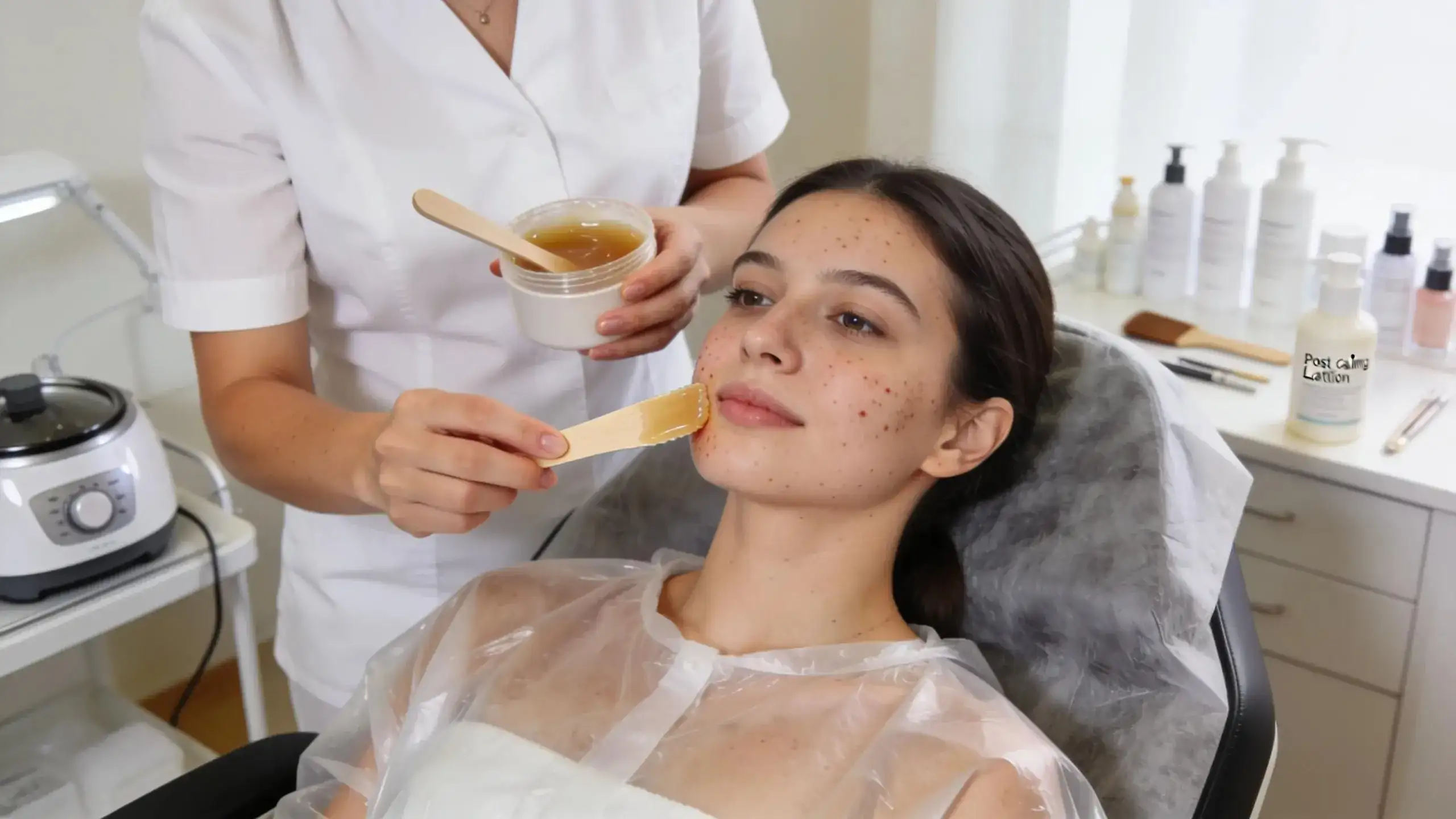
- Hard Wax: Hard wax sets on the skin and is removed once hardened, pulling hair without sticking aggressively to the skin. This method typically causes less irritation and is preferred for sensitive, acne-prone skin.
- Soft Wax: Applied thinly and removed with cloth strips; it adheres more to the skin and may increase irritation but can be used cautiously with appropriate pre- and post-care.
Overall, threading and hard wax waxing are the most appropriate methods for acne-prone skin due to their precision and gentleness.
Professional Expertise: Selecting a Skilled Esthetician in NYC
Choosing a licensed esthetician experienced in treating acne-prone skin is a critical factor for a safe waxing or threading session. Such professionals understand skin sensitivities, recognize contraindications like active cystic acne or inflamed lesions, and adjust their technique and product choices accordingly. They follow strict hygiene protocols, including single-use tools and sterilization standards, to minimize infection risk. In New York City, platforms like Book My Waxing list verified salons and estheticians specializing in acne-sensitive treatments, simplifying appointment booking.
Recommended Products for Acne-Prone, Sensitive Skin
Choosing skincare products tailored for acne-prone skin before and after waxing enhances comfort and skin recovery:
| Product | Use | Benefits |
|---|---|---|
| Aloe Vera Gel (Pure, Organic) | Apply immediately after waxing session | Anti-inflammatory properties soothe redness, hydrate skin, promote healing |
| Cooling Lotion or Gel with Calendula or Chamomile | Use 1-2 times daily post-wax | Calms irritation, reduces swelling, balances skin’s pH |
| Fragrance-Free, Non-Comedogenic Moisturizer | Apply daily for hydration | Prevents dryness, helps maintain skin barrier without clogging pores |
| Antiseptic Toner (Alcohol-Free, Witch Hazel-based) | Use gently to cleanse skin pre-wax | Reduces bacteria reducing risk of infection and folliculitis |

Preparation and Effective Techniques to Minimize Skin Stress
Proper preparation and waxing techniques are essential to safeguard acne-prone skin from damage:
- Skin Cleansing and Exfoliation: Prior to waxing, cleanse the targeted area with a gentle, antiseptic cleanser to remove oils, dirt, and bacteria. Light exfoliation 24-48 hours before can help by clearing dead skin cells that might clog pores and reduce waxing discomfort.
- Choosing Appropriate Waxing Products: Confirm your esthetician uses hypoallergenic, fragrance-free waxes with minimal irritating ingredients. Hard waxes containing natural oils or soothing additives, such as tea tree or lavender oil, are advantageous.
- Wax Temperature and Application: Wax should be warm, not hot, to prevent burns or skin irritation. The product should be applied in the direction of hair growth and removed against it swiftly to minimize trauma.
- Technique Specifics: Employ waxing only on areas free of active cysts, open wounds, or severe acne lesions to reduce infection risk. Threading should be performed with clean, single-use threads, and the esthetician should avoid contact with inflamed areas.
- Communication With Esthetician: Clearly discuss your skin condition, allergy history, and recent skin treatments to tailor the session safely. Reporting any discomfort promptly allows adjustments in technique or pausing the procedure.
Additional Preventative Measures During Waxing
Experts recommend the following to further decrease irritation and breakout risk:
- Use of Barrier Creams: Applying a thin layer of barrier cream around the waxing zone protects surrounding skin without interfering with hair removal.
- Single-Use Gloves and Tools: Ensures no cross-contamination occurs between clients, minimizing infection risk on acne-prone skin.
- Patch Test: Consider testing wax on a small skin area 24 hours prior, especially if using new products or if skin is especially sensitive.
Post-Waxing Aftercare: Ensuring Optimal Skin Recovery
Aftercare is critical for preventing post-wax irritation and breakouts:
- Cooling and Soothing: Apply cold compresses or aloe vera gel immediately after treatment to calm inflammation and reduce redness.
- Moisturizing: Use fragrance-free, non-comedogenic moisturizers regularly to restore moisture without clogging pores.
- Sun Protection: Avoid direct sun exposure and tanning beds for at least 48 hours post-wax; use broad-spectrum SPF 30 or higher when outdoors to protect sensitive skin from UV damage.
- No Touching or Picking: Refrain from touching, scratching, or exfoliating the waxed area for 24-48 hours to allow skin healing and prevent bacterial contamination.
- Avoid Heat and Sweating: Avoid saunas, hot showers, heavy exercise, or activities that induce sweating for 24-48 hours to minimize skin irritation and acne flare-ups.
Consistently following these aftercare protocols reduces the likelihood of adverse reactions and aids in maintaining clear, healthy skin.
Integrating Acne-Friendly Waxing into Your Routine
For ongoing hair removal care compatible with acne-prone skin, consider adopting these strategies:
- Scheduling: Extend intervals between waxing sessions to allow skin full recovery and reduce chronic irritation.
- Complementary Skincare: Incorporate products with salicylic acid or benzoyl peroxide for acne management but avoid applying immediately before waxing to prevent sensitivity.
- Consultation With Dermatologists: For severe or persistent acne, consult skincare professionals to tailor hair removal and acne treatment plans suitable for your unique skin needs.
Frequently Asked Questions
1. Can I get my eyebrows threaded if I have active acne?
While threading is generally suitable for acne-prone skin, it's essential to avoid threading directly over active acne lesions. This can lead to irritation or infection. Communicate fully with your esthetician about your skin condition; they can adjust their technique or suggest alternative hair removal options that minimize discomfort and risk.
2. How can I prepare my skin before a waxing session?
Proper preparation is crucial to prevent irritation. Cleanse your skin with a gentle, antiseptic cleanser to remove oils and bacteria. Light exfoliation 24-48 hours before waxing can also help remove dead skin cells that might clog pores. Be sure to communicate any skin concerns with your esthetician prior to the appointment.
3. What should I avoid doing immediately after waxing?
After waxing, avoid touching or picking at the waxed area for at least 24-48 hours, as this can lead to irritation or infection. Additionally, refrain from vigorous exercise, saunas, or hot showers for the same period to minimize heat-induced irritation and allow your skin to recover properly.
4. Are there specific products I should use post-waxing?
Post-waxing care is vital for skin recovery. Apply a fragrance-free, non-comedogenic moisturizer regularly to restore hydration without clogging pores. Aloe vera gel is an excellent option due to its soothing properties. Most importantly, ensure you use sun protection, such as a broad-spectrum SPF, to shield your sensitive skin from UV rays.
5. How often should I schedule my waxing appointments?
For acne-prone skin, it’s advisable to schedule waxing appointments every 4-6 weeks, allowing adequate time for your skin to heal and recover between sessions. This helps minimize irritation and breakouts while ensuring effective hair removal. Always assess how your skin reacts and consult with your esthetician regarding the best schedule for you.
6. What are the signs that I need to consult a dermatologist?
If you notice persistent or worsening acne despite following a careful hair removal routine, it’s time to consult a dermatologist. Signs include increased redness, swelling, or new cystic acne forming after waxing or threading. Dermatologists can help tailor your hair removal and acne treatment plans to best suit your unique skin needs.
7. Is it safe to use retinoids before waxing?
Using retinoids can increase skin sensitivity, so it’s generally best to avoid applying them for at least 72 hours before waxing. This precaution helps prevent irritation and skin damage during the hair removal process. Always discuss your skincare regimen with your esthetician to ensure the safest treatment plan tailored to your skin type.
Summary
Hair removal for those with acne-prone skin in New York City demands careful method selection, expert professional assistance, targeted product use, and diligent aftercare. Threading and hard waxing represent the safest, most effective techniques. Supplementing treatment with hypoallergenic products, clear communication with your esthetician, and adherence to preparation and post-wax care instructions are vital to minimizing breakouts and skin irritation. Leveraging trusted booking platforms like Book My Waxing can connect you with specialists who prioritize acne-safe procedures. By understanding and implementing these best practices, individuals with sensitive, acne-prone skin can confidently achieve smooth hair removal without compromising their skin's health or clarity.